Readings
- Ezekiel 20:1-38
- Ezekiel 37
- John 11:21-27
Prayer
Pray… a prayer of thankfulness in God’s promise that one day we will rise to everlasting life.
Day 223 – Ezekiel #4
Israel’s sinful history & their (national & individual) resurrection
- Today’s readings were quite long but I hope they were engaging and deeply encouraging. As we finish our brief time in the book of Ezekiel, what more have we learned today?
- In Ezekiel 20, God gives a summary of the rebellious nature of the Israelites through a number of periods of their history. Which periods of history did God recall? For each time period, what did the people do to God?
- This is more than just a reminder of what God has done for His people. Notice that important human names of the time, such as Moses and Joshua, are not mentioned, but (in Ezekiel 20:9, 14 and 22) God repeatedly says that His grace to the people is “for the sake of His (God’s) name”. It’s clear what God is reminding the people – not to focus on the humans, but on God’s continued mercy.
- It’s worth reminding you that this “reminder” to the people from God was about events that had occurred, by this point, a very long time ago. They knew about it, of course, because they had the books of Moses, but those events had happened over 500 years ago. That’s like us being reminded of something that happened before Shakespeare was born. But that, of course, didn’t give them license to forget about God! God was unchanging. And it doesn’t give us license to forget about God either, just because we’re reading words which were penned thousands of years ago! God is still unchanging!
- Think about the situation of Israel and Judah at the moment, deeply scattered in exile in foreign nations. What was the long-term result of not obeying God’s command?
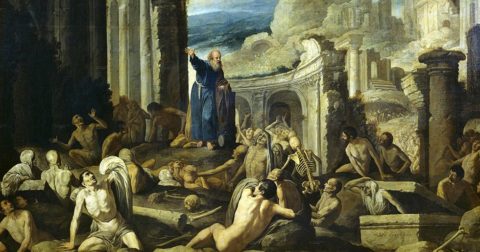
- This all makes rather sad reading, but Ezekiel 37, the most famous of all the chapters in this book, offers a beacon of hope. Describe the illustration of the bones, which at first were dry and dead, but were then brought to wonderful life by God. What does it picture for the future of the people of Israel and Judah, and of restoration of the broken nation?
- How does Ezekiel 37:15-28 point us to Jesus? Can you spot any phrases in this passage that you may have read elsewhere, in the book of Revelation?
- Not only can Jesus resurrect nations, but people too. John 11 describes the raising of Lazarus, but what do the verses that we read today specifically focus on? Why is trusting Jesus the most important decision we will ever make in our lives?
If you have a moment, check out Ezekiel 20 in a “The Message” version of the bible.
The Message Bible is a version of the Bible written by one man in contemporary English. It shouldn’t be your primary source when reading God’s Word, but it’s sometimes a very helpful way of phrasing some things helpfully.
Check out, for example, verses 18-22:
“Then I addressed myself to their children in the desert: “Don’t do what your parents did. Don’t take up their practices. Don’t make yourselves filthy with their no-good idols. I myself am God, your God: Keep my statutes and live by my laws. Keep my Sabbaths as holy rest days, signposts between me and you, signalling that I am God, your God. But the children also rebelled against me. They neither followed my statutes nor kept my laws for living upright and well. And they desecrated my Sabbaths. I seriously considered dumping my anger on them, right there in the desert. But I thought better of it and acted out of who I was, not by what I felt, so that I might be honoured and not blasphemed by the nations who had seen me bring them out.”
The phrase “But I acted out of who I was, not by what I felt, so that I might be honoured” is a good way of explaining how God acted, and why He acted, and what He’s teaching Ezekiel. Has your understanding of this passage been helped by this modern-day translation?
If so, great! You may want to pick up a copy of The Message one day for your shelf. Don’t use it for your regular readings though!
Leave a Reply
You must be logged in to post a comment.