Readings
- 1 Samuel 29
- 1 Samuel 30
- Habakkuk 3:17-19
Prayer
Pray… and ask God to help you to trust in His sovereignty, and thank Him for His providence.
Day 140 – David Chases the Amalekites
finding strength in God during hard times
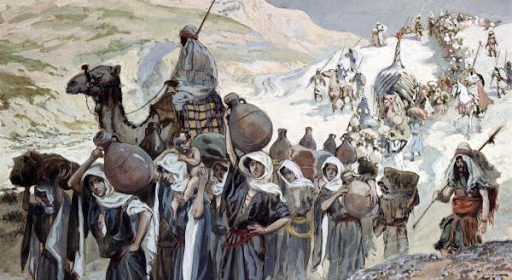
- We need to re-set the scene regarding David today in order to put the events of 1 Samuel 29 into perspective. In chapter 27, which we have skipped in our reading plan, David has an (seemingly) uncharacteristic blip in his decision making and, without consulting God, makes an escape from Saul into Philistine territory. He meets a man called Achish, the son of the Philistine king, and works for him, even though it meant doing some horrible things, such as killing Philistine enemies. As chapter 28, which we read yesterday, opens, David has been in exile in Philistine for some 16 months. Achish likes David and his followers, because David has agreed that he and his men will fight for the Philistine army. David and his followers have been safe in Philistine as they worked in Achish’s service, and David has become Achish’s personal bodyguard. All in all, it’s a surprising situation, isn’t it?
- How do you think David might have felt as they prepared to join forces with the Philistines and attack Israel in today’s readings from chapter 29? Why do you think David allowed himself to be in this situation in the first place?
- What problem did the Philistine commanders have with David coming to battle? Verses 1 Samuel 29:4-6 will help.
- Do you think God was at work in this situation so David wouldn’t have to attack his own countrymen?
- David and his followers didn’t have to fight in 1 Samuel 29, but what happened when they reached Ziklag in chapter 30? Imagine the horrible situation they encountered there, as described in the first few verses.
- Compare the reaction of some of David’s men and David himself in 1 Samuel 30:6. In the face of death, how was David’s reaction different from the one we saw of Saul yesterday? In his worry, who did he turn to in verse 8?
- What did David and his men do? Were they successful in getting back their property and family?
- What was the disagreement in 1 Samuel 30:21-22? How did David resolve it? Do you think David’s actions show good leadership skills?
Today’s action-packed verses have shown us a raw look at some of David’s highs and lows. David’s actions in 1 Samuel 27 can hardly be commended, but his faith in God – clearly seen later here in chapter 30 – remains steadfast at the end, mirroring many of examples we’ve seen of David’s faith since we first met him in chapter 16.
David found himself in a difficult situation today as he prepared to fight against his own people. He might have escaped Saul’s clutches by escaping to Philistine territory, but thankfully for him, God still watched over him. Don’t forget, of course, that he has already been anointed as the man to replace Saul as king, and God worked in David’s life to keep him safe in Philistine and to work a way of escape.
David is a human, and makes human mistakes, as we’ll continue to see as we read more about him. Unlike Saul, however, his ultimate desire was to know God. When we give God the ultimate position – when we “fear” God more than anything else – the other challenges in our life will seem lesser. This is how we can see David dealing with the challenges of chapter 30, and in earlier passages such as chapter 23. In contrast, we see Saul beset by fear, such as in yesterday’s readings in chapter 28, and as we’ll find out tomorrow as we finish 1 Samuel.
The Christian life isn’t always plain sailing, but the mark of a Christian who truly trusts in God is that their sufferings lead them closer to the sovereign providence of their Heavenly Father, rather than further away it. Spend some moments thinking about whether you really do trust that God is in every situation, good and bad, and that He will see you through. Today’s final readings, tucked away in Habakkuk 3, are an challenging encouragement to praise God, regardless of your circumstances.
Leave a Reply
You must be logged in to post a comment.