Readings
- Exodus 7
- Exodus 8
- Psalm 105:23-28
Prayer
Pray… that you won’t need 10 reminders before you choose to listen to God!
Day 51 – Moses & Miracles
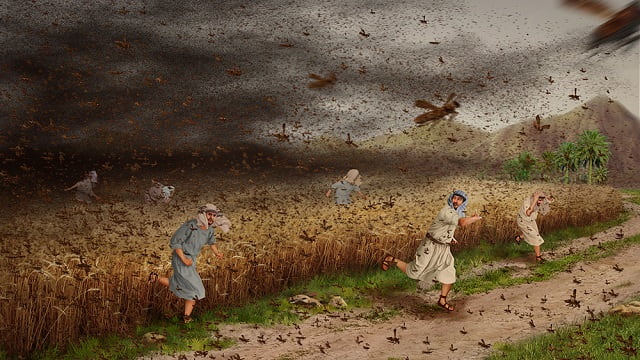
God reveals Himself through miracles & plagues
- I’ve attached a video to this post – it’s a “10 plagues rap”. It’s a bit cheesy and it’s not the greatest bit of artwork you’ll ever see, but if it helps to think about the plagues in today’s readings, then take a look.
- You’ll know this passage well, I’m sure. We’ve hit one of the most famous bits in one of the most well-known parts of the Old Testament. I wonder how long it’s been since you actually read the biblical account of this though. Did anything strike you as new or surprising when you read it this time around, or did you read something that was different to what you thought you remembered??
- How old were Moses and his brother? How old are your grandparents? Can you imagine them doing what Moses and Aaron did?
- In many of the plagues that are described in today’s readings, there is a common theme. Try picking one of the plagues and working it through. Firstly, God first speaks to Moses, and the plague to come is described. The plague then happens, and the consequences of it are shown. There is then usually something regarding what the Pharaoh did or said, and then verses about his heart. You might find a table in your study bible that helps with this.
- How did Pharaoh’s stubbornness affect the people around him? Have you ever hurt people around you by acting selfishly or through stubborn pride?
- How can God use people’s disobedience and stubbornness, like that shown by the Pharaoh, for His own glory?
- Three times, the narrator of Exodus tells us that Pharaoh’s magicians “repeated”, or at least mimicked, God’s plagues. From the fourth plague onward, however, they cannot. What do they say about this in Exodus 8:19?
- Which of the plagues was the worst, do you think, of the ones we read today? Why?
- Many people find these passages hard to read. They don’t like the idea of a God that sends plagues on anyone, even Egyptian slave-drivers. People like to think of God as the humble Servant on the cross, or the loving, grace-filled Father. Why do you think it’s important that we see this side of God? What do we learn about His character?
You’ll have read in Exodus 7:3 that God says He will “harden Pharaoh’s heart” to make him refuse to let the people go. This, too, is a hard thing to understand. Surely that’s unfair, you might say? Why would God send Moses to ask the Pharaoh to do something, cause the Pharaoh to refuse to do so, and then punish him for it?
The short answer is so that God can be glorified, even as He judges (Exodus 7:4-5). But that, too, is tough to consider.
Turn to Romans 9, which a great chapter on God’s sovereign choice. “Sovereign choice” means God can do what He wants, because He is God, and He is perfect. Look at verses 13-18, which picks up on God’s decision to bless Jacob instead of Esau, and to raise up a hardhearted Pharaoh in order to show His power.
It’s also important to pay close attention to the text today. God will harden Pharaoh’s heart, but seemingly not until the later plagues – the sixth in fact. Initially, Pharaoh is hardening his own heart (such as in Exodus 8:15). He didn’t have to wait for God to harden his heart – he wasn’t going to let the Israelites go without a fight anyway!
We’ll discuss this tricky subject more when we meet up for our catch-up meetings.
PS: Our reading plan will skip chapters 9 and 10, and we’ll jump to the final plague and the extraordinary events of the Passover tomorrow. If you have the time, and the inclination, you might enjoy reading about the other plagues in these missed chapters.
Leave a Reply
You must be logged in to post a comment.