Readings
- Genesis 6
- Genesis 7
- Hebrews 11:7
Prayer
Pray… that as we study the flood story over the next two days, you’ll see God’s judgement of sin and his promises to mankind.
Day 8 – Noah & the Flood #1
Noah’s Faith & Deliverance from the Flood
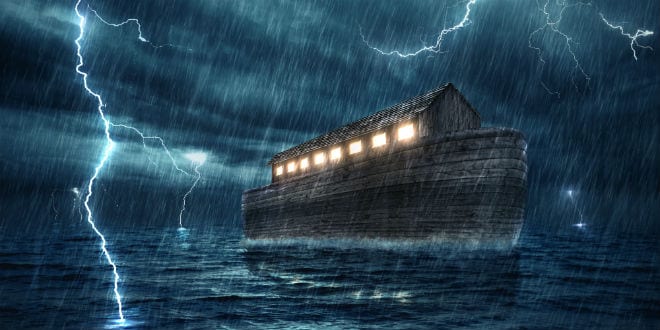
- Two good meaty chapters of one of the Bible’s most famous stories today, as we dive (ha!) into the flood and the story of Noah. You know this story already, of course, so what new things did you learn from reading the text carefully today? Can you already see the benefit to reading this story within the context of the rest of Genesis?
- Genesis 6 opens with the state of the world. Whilst the meaning of the phrase “sons of God and daughters of man” is still debated, we can at least understand that the relationships were not right in some way. God doesn’t like what He sees. What does He do in response (verse 3)?
- Verses 5 and 6 show the depth of the sin of mankind. Verse 5 is particularly strong isn’t it? When it says that “God regretted that he had made man”, it might be more helpful to consider that He grieved at the sin that He saw. Be careful not to think that God was surprised by these events.
- Onto this depressing stage arrives the first mention of Noah. How is he different? Is he perfect? How do you think Noah managed to walk with God in a world which was drenched in sin?
- Verse 6:17 says “everything that is on the earth shall die”. This wording has led to a debate about whether the flood was global, or just localised in that area (the story of the Tower of Babel, during which people are cast out around the world, has not yet happened, so it’s possible that all the people of the earth at that time were close by to each other). I’m going to make no comment on this here, but I’ll add a little extra information and a link at the bottom.
- In verse 18, God promises to initiate a covenant with Noah. A covenant is like a promise that God will never break. We’ll read more about it tomorrow. Can you think of any other covenants in the bible?
- Noah begins to build the ark, as it says in verse 22. What do you think his neighbours thought about it?! Don’t forget that this is miles and miles from any sea – it may as well have been a desert. Can you imagine the level of faith Noah must have had?
- When the waters came, Noah shut up the door and the journey on the ark began. How long did the rains fall? How long did water prevail on the earth? Noah and his family were on the ark for a surprisingly long time, weren’t they? What do you think they did during the day? What do you think would be the best and worst part of being on a floating zoo?
- Do you think it was right or fair of God to send a flood like this? Do you struggle with the idea that God punished these people? Do speak to me or another leader if this is something that concerns you. Alternatively, you may wish to consider an alternative view – that of God’s grace to Noah (through the warnings of the flood, and the covenant He promised to establish).
- The flood didn’t wipe away sin. Why? That said, in what ways do you think the actions, and general story, of Noah are a precursor to the actions of Jesus?
- Why is Noah included as a hero of faith in the now familiar words of Hebrews 11?
There is a never ending-debate about whether the flood is a literal fact, or whether it’s global or local, or even whether it’s completely allegorical (i.e. it’s a story to explain God’s judgement of sin, but not an actual real event). Many people, including the teaching at St John’s, says that the bible is the completely true word of God and is believed as truth and fact (except for obvious stories, such as parables). This would include the flood.
Many others try to reconcile the story with scientific reasoning, and end up believing what we understand in science rather than the bible. What do you think? Be careful not to fall into the trap of thinking that some things are impossible for God to do. There is an interesting “summing up” of the main arguments at this link (this website agrees that the Flood is a literal event). You may want to consider some of the arguments made on all sides, as it may help prepare you for discussions with non-Christians.
Leave a Reply
You must be logged in to post a comment.